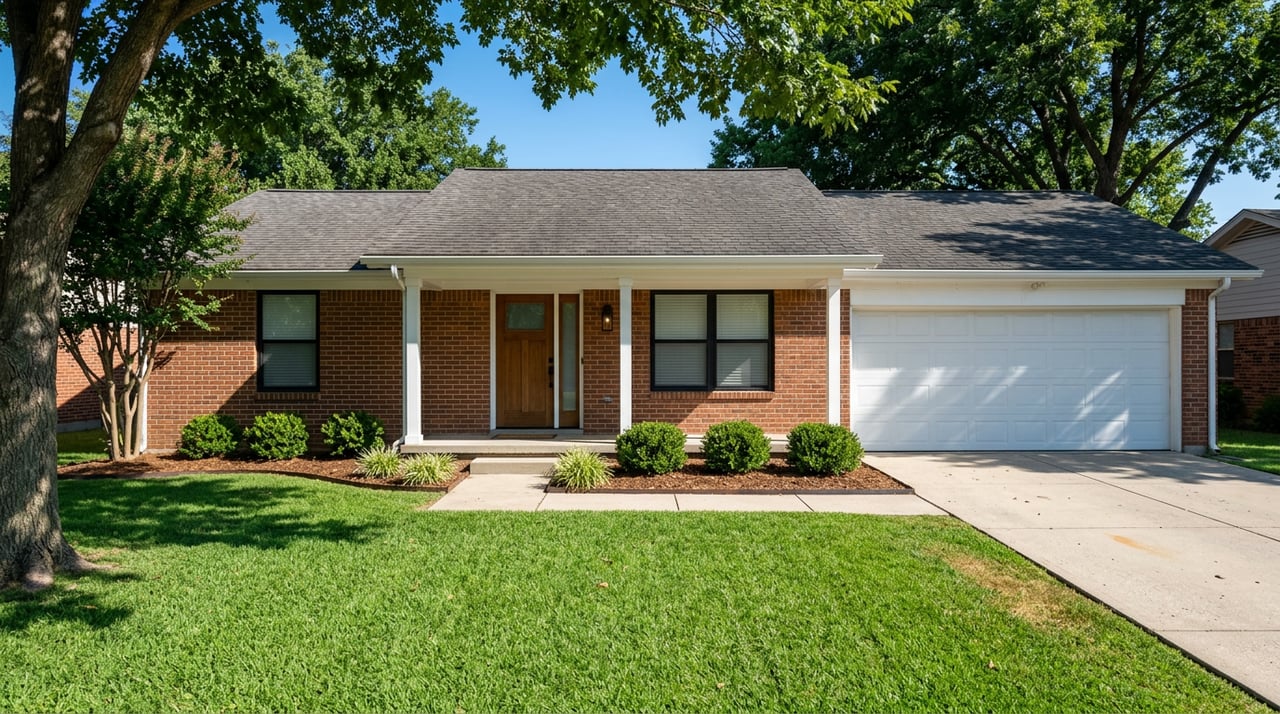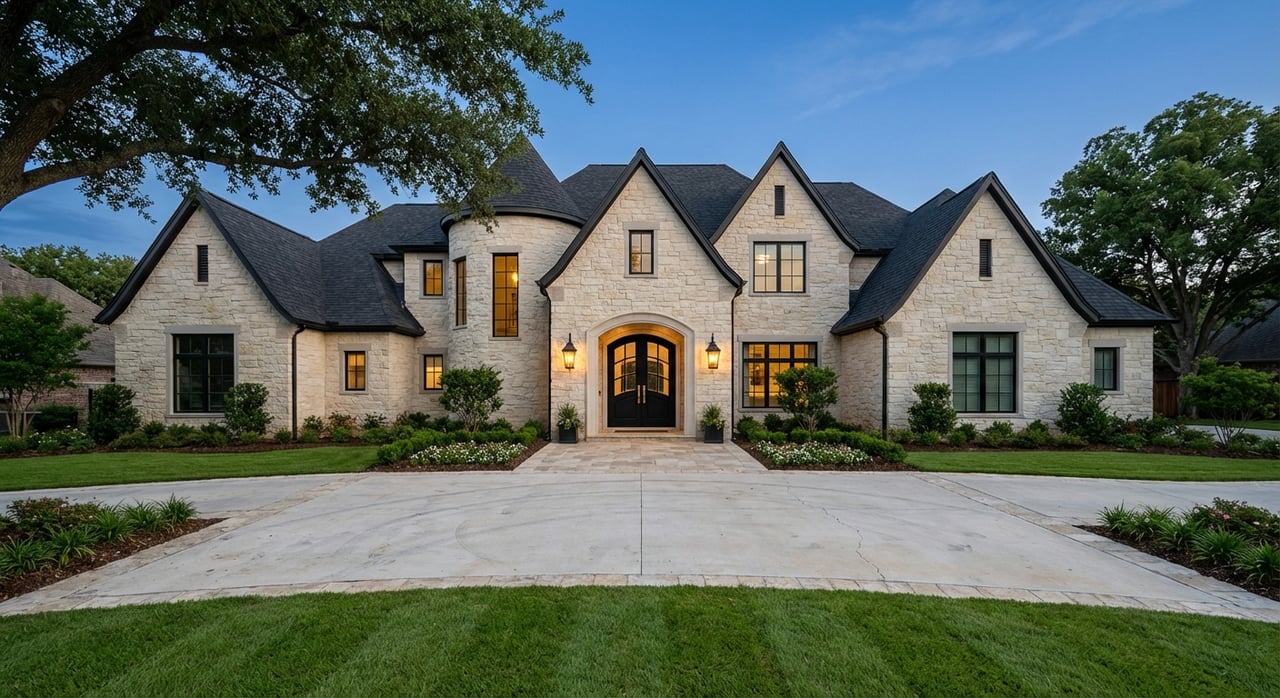
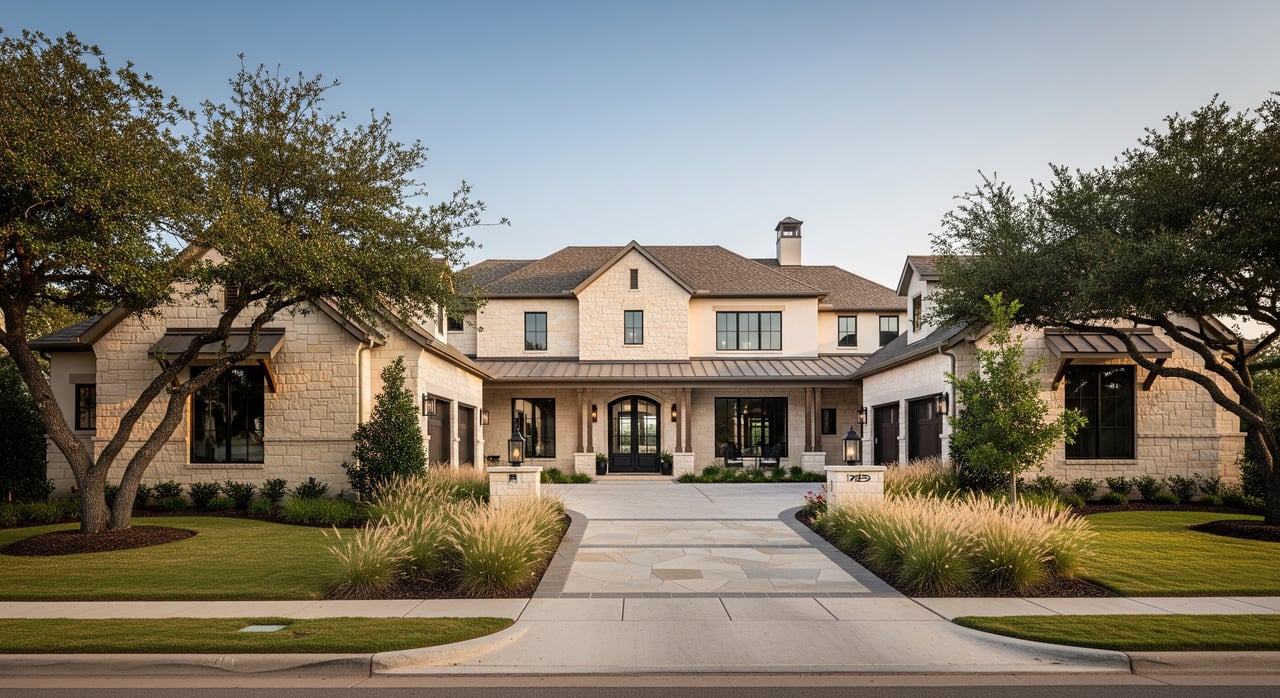
Thinking about leveling up your space, yard, or layout in Canyon Falls, but not sure where the market stands or how to time your move? You are not alone. Move-up decisions involve two transactions, shifting rates, and trade-offs between new builds and resales. This guide gives you a clear framework to read the Canyon Falls market, compare options, and map a smooth path from your current home to your next one. Let’s dive in.
Canyon Falls at a glance
Canyon Falls sits in the Northlake and Argyle area within the northern DFW growth corridor. You get suburban amenities, access to major employment centers, and a range of product types that appeal to move-up buyers. Market conditions here reflect bigger DFW trends like mortgage rates, job growth, and migration patterns, plus local factors such as resale inventory and new-construction releases.
For you as a move-up buyer, the most important variables are prices just above your current budget, competition at your target size and lot type, and the timing interplay between selling and buying.
Prices and trends to watch
Price trends tell you where negotiating power is shifting. Focus on these metrics when you review recent data:
- Median sold price over the last 12 months and the last 3 months.
- Price per square foot by product type and lot size tier.
- List-to-sale price ratio and the share of homes selling over list.
- Median days on market, which signals buyer or seller leverage.
How to read the signals:
- Rising median prices with falling days on market and a list-to-sale ratio over 100 percent point to a competitive seller’s market.
- Flat or declining prices with rising days on market indicate more room to negotiate.
Pro tip: Track the price band one step above your current home’s likely sale price. The gap between your sale proceeds and the next purchase is where most move-up math succeeds or stalls.
Inventory and competition
Inventory is your window into how hard you will have to compete.
- Active listings and new monthly listings show choice and freshness of options.
- Months of supply is the quick read. Under 3 months is tight, 3 to 6 months is balanced, and over 6 months favors buyers.
- Mix of new construction versus resale matters. Fewer resales can push buyers to new builds with set pricing and lot premiums.
When inventory is tight, expect faster timelines and fewer concessions. When it rises, you may see more negotiation room, price improvements, or seller-paid closing costs on resales.
New construction insights
Canyon Falls includes multiple builders and product lines that appeal to move-up buyers. Here is how to evaluate new builds alongside resales:
- Product mix and lots. Understand which sections still offer larger lots, greenbelt adjacency, or unique positions that command premiums and support future resale.
- Lot releases. Builders often release lots in phases. Larger or better-positioned lots are limited and typically cost more.
- Build timelines. Typical build times can shift with demand and supply conditions. Ask about current start-to-close timing and builder backlog.
- Incentives. Builder concessions, rate buydowns, and upgrade credits vary with market tightness. Compare incentives across builders and their preferred lenders.
Why it matters: New construction offers layout flexibility and warranties, but you pay for lot premiums and upgrades and you carry timing risk. If you need to sell your current home to close, plan your contingency and funding approach early.
Value drivers inside Canyon Falls
Several attributes drive price differences for similar homes in this community. Clarify what matters to you now and for resale later.
School zones
Attendance boundaries can influence demand and price stability. Verify current school zones for the specific address with the applicable district website and the listing agent before you write an offer. Confirm feeder patterns and any planned changes.
Lot size and position
Wider frontages, deeper yards, and estate-size lots often carry meaningful premiums. Lots backing to greenbelts, parks, or water are also prized. Balance the premium against ongoing costs such as landscaping, pool maintenance, and property taxes.
Amenity proximity
Homes near pools, trails, lakes, and the amenity center can sell faster and at higher prices. Decide how much you value walking access and consider any trade-offs related to activity or traffic.
Home size and layout
Open-concept plans, first-floor suites, offices or flex rooms, and media or game rooms typically raise price per square foot. Consider price per functional room rather than only total square footage.
HOA and taxes
Review HOA dues, what they cover, and any known or potential special assessments. Compare property tax rates across phases or jurisdictions. Include dues and taxes in your monthly carrying-cost calculation.
New build or resale
Use this quick decision checklist to weigh your options:
- Timing. Do you need to occupy within 60 to 90 days, or can you wait for a build cycle? If you require certainty, resale may fit better.
- Customization. Do you want to choose finishes and structural options, or would you prefer an established home you can update over time?
- Budget for upgrades. New builds often require funds for appliances, window coverings, landscaping, and design-center selections.
- Lot priorities. If you need a specific lot position or larger yard, confirm availability before committing to a builder path.
- Risk tolerance. Are you comfortable with potential construction delays or appraisal variables on a new home with fewer direct comps?
Plan your move-up strategy
Getting the sequence right reduces stress and cost. Consider these paths:
- Sell-first. You secure proceeds and reduce risk, then shop with cash in hand or a strong pre-approval. You may need short-term housing.
- Buy-first with bridge funds or a home equity line. This lets you move once but adds financing complexity and cost.
- Contingent offer. Works when inventory is less competitive. In a tight market, contingent offers are often less attractive to sellers.
- Mortgage portability. Some loans can be ported to a new home. Confirm terms and timing with your lender.
Discuss the likely competitiveness at your price point, then select the strategy that aligns with your comfort level and timeline.
Financing focus for higher budgets
Even small rate changes can shift your monthly payment on a larger loan. Talk with a lender early about:
- Rate buydowns and points. Compare the break-even period and how long you plan to stay in the home.
- Loan terms and structures. Evaluate fixed versus adjustable options, and whether a shorter term fits your goals.
- Bridge financing, HELOCs, or sale-leaseback. These can help you buy before you sell, but add qualification and cost considerations.
- Appraisal gaps. In faster segments, be ready with a plan to cover a short appraisal if needed.
Offer and contingency strategy
To compete efficiently without overreaching, align your terms with market signals:
- In tight segments, be ready with a strong pre-approval and flexible closing window. Consider limiting contingencies where you are comfortable.
- In balanced or softening segments, negotiate for repairs, closing cost credits, or favorable timelines.
- For new construction, clarify price, upgrade allowances, incentive specifics, and how change orders are handled. Request clarity on completion dates and remedies for delays.
Due diligence essentials
Protect your investment with focused checks that matter in master-planned communities:
- Inspections. Order standard inspections for resales and consider third-party inspections at key phases for new builds.
- HOA and community docs. Review rules, fee schedules, amenity coverage, and any known special assessments.
- Utilities and responsibilities. Confirm what the HOA maintains and what falls to the homeowner.
- Floodplain and drainage. Verify flood status and local drainage plans for the specific lot.
- School attendance. Confirm current boundaries and any changes under consideration for your address.
Three quick lot premium checks
When comparing lots, quantify the premium using simple math:
- Per-square-foot land premium. Estimate the land component by comparing similar homes on interior lots versus lots with greenbelt or view positions. Divide the price difference by the lot’s square footage to approximate a land premium per square foot.
- Per-frontage-foot premium. Wider frontages often carry value. Compare sale prices of similar homes with different lot widths, then divide the price difference by frontage feet.
- Per-amenity-distance premium. For homes near amenities, compare like-for-like homes near and far from the feature to isolate the proximity effect.
Use multiple comparisons to triangulate a realistic premium range.
Hidden costs to budget
Plan for items that can surprise move-up buyers:
- HOA and amenity dues that may differ by phase or product type.
- Higher property taxes on larger homes and lots.
- Landscaping, pool maintenance, and outdoor living upkeep.
- New-build extras such as window coverings, appliances, and design-center upgrades.
- Potential special assessments in master-planned communities.
Quick pre-offer checklist
Before you write an offer in Canyon Falls, confirm the following:
- Pre-approval and funds to close are ready and documented.
- Clear decision on sell-first, buy-first, or contingency strategy.
- Recent comps for the specific product type, lot size, and location.
- Current months of supply, list-to-sale ratio, and days on market at your price point.
- School attendance and HOA fee details for the exact address.
- For new builds, incentive sheet, lot map, build timeline, and warranty coverage.
Your next step
Moving up in Canyon Falls is a smart play when you align price, timing, and lot priorities with a clear plan. Start by narrowing the product type and lot features you value most, then use market signals to guide your offer strategy. A focused approach reduces friction and helps you win the right home at the right terms.
If you want a detailed, address-level plan, market comps, and a tailored move-up strategy, connect with the local team that represents luxury and family buyers across northern DFW. Schedule a Meeting with Absolute Realty to get started.
FAQs
How do Canyon Falls prices impact my move-up budget?
- Review recent median prices, price per square foot, and list-to-sale ratios for your target size and lot type to gauge affordability and negotiating room.
How competitive are offers for Canyon Falls move-up homes?
- Check months of supply and days on market; under 3 months of inventory often means multiple offers, while rising inventory usually brings more negotiation room.
Should I choose new construction or a resale in Canyon Falls?
- Balance customization and warranties against lot premiums, upgrade budgets, and build timelines, and weigh them against the immediate occupancy and negotiation potential of resales.
How do school zones affect Canyon Falls resale value?
- Attendance zones often influence demand and pricing, so always verify current boundaries for the specific address and confirm any planned changes before you commit.
What hidden costs should Canyon Falls move-up buyers expect?
- Budget for HOA dues, property tax differences, landscaping and pool upkeep, and, for new builds, additional items like window coverings, appliances, and design upgrades.